Tag: app development

  • Cross-Platform App Development by Garage2Global:What Sets Us Apart in 2025

    Cross-Platform App Development by Garage2Global:What Sets Us Apart in 2025

    Now at this time of digitalization of the world. Businesses are under pressure to provide Flawless user experiences across numerous digital platforms in the rapidly changing world of online and mobile applications. As 2025 approaches, Cross-Platform App Development by Garage2Global is enabling both startups and large corporations by establishing new standards in cross-platform software development.

    Garage2Global uses state-of-the-art technologies to create apps that are future-ready by fusing creativity, speed, and cost-effectiveness.

    Whether you’re developing a MVP or scaling an enterprise product, their development strategies align perfectly with modern business needs.

    One of leading and experienced software application development company, Garage2Global ensures app consistency and high performance across Android, iOS, and web platforms.

    Why Cross-Platform App Development By Garage2Global Matters in 2025

    Cross-Platform App Development Garage2Global

    No need to be a tech expert. Just for better experiences and consistent app performance on every device, Cross-Platform App Development Garage2Global has become essential.

    Due to budget constraints and speed-to-market demands, businesses are moving away from platform-specific app development.

    Best tools in 2025 like React Native and Flutter are dominating the development scene, offering rapid deployment and native-like performance.

    The Cross-Platform App Development Garage2Global  strategy minimizes overhead without compromising on code quality or performance. It’s no longer just a trend.

    Adopting a unified codebase is critical for both cost efficiency and Strong user retention and interaction.

    Ready to cut App development cost

    How Garage2Global Redefines Mobile App Development in 2025

    Garage2Global Leads with agile methodology to mobile app development, Enabling step-by-step development, faster testing, and reduced development cycles. With custom workflows Configured to client specifications, they prioritize usability, scalability, and long-term support.

    Their competencies include React Native app development, Flutter app development, and backend API integrations, ensuring that each solution is full-stack and future-proof.
    Read article in details.

    The team focuses on intuitive UI/UX design, accessibility, and post-launch analytics, making them a preferred application development company in competitive markets like the US, UK, and UAE.

    Garage2Global’s Tech Stack Strategy for MVP to Final App

    Tech Stack Strategy for MVP to Final App

    For startups and also for enterprises building their first MVP, Garage2Global offers lightweight, fast-to-market solutions using frameworks like Flutter and React Native.

    These technologies allow tech business owners to test ideas quickly, get user feedback, and scale the product without rewriting codebases. Their flexible architecture also supports features like real-time updates, in-app messaging, and payment gateways.

    Whether it’s a fintech app or eCommerce platform, Garage2Global builds MVPs with growth in mind, making sure they’re ready to evolve into full-fledged apps when user on-demand increases.

    Scalability and Performance Optimization

    In 2025, app performance is directly linked to user retention. Garage2Global takes a performance-first approach by integrating tools for real-time monitoring, crash reporting, and database optimization.

    Whether you’re targeting 1,000 or 1 million users, their solutions are built for scale. Using cloud-native infrastructure, auto-scaling APIs, and modern CI/CD pipelines, Garage2Global’s apps are engineered to grow.

    Their deep experience in cross-platform app development ensures smooth transitions from MVP to enterprise-grade products without performance bottlenecks.
    Read the article in detail here.

    Geo-Targeted App Development for Global Audiences 

    App Development for Global Audiences 

    Garage2Global understands that modern apps must appeal to a global audience. By integrating geo-targeting, multilingual interfaces, and location-based features. They help clients engage users across North America, the Middle East, and Asia.

    Their deep research into regional UX patterns makes Garage2Global a standout application development company with global sensitivity. Whether you’re targeting ecommerce development solutions in the UK or ride-hailing in Dubai, they tailor apps to suit user expectations, increasing engagement and conversion rates.

    Why Choose React Native or Flutter in 2025? 

    Why Choose React Native or Flutter in 2025? 

    The battle between React Native and Flutter app development continues, but Garage2Global brings clarity by aligning framework choices with your business goals.

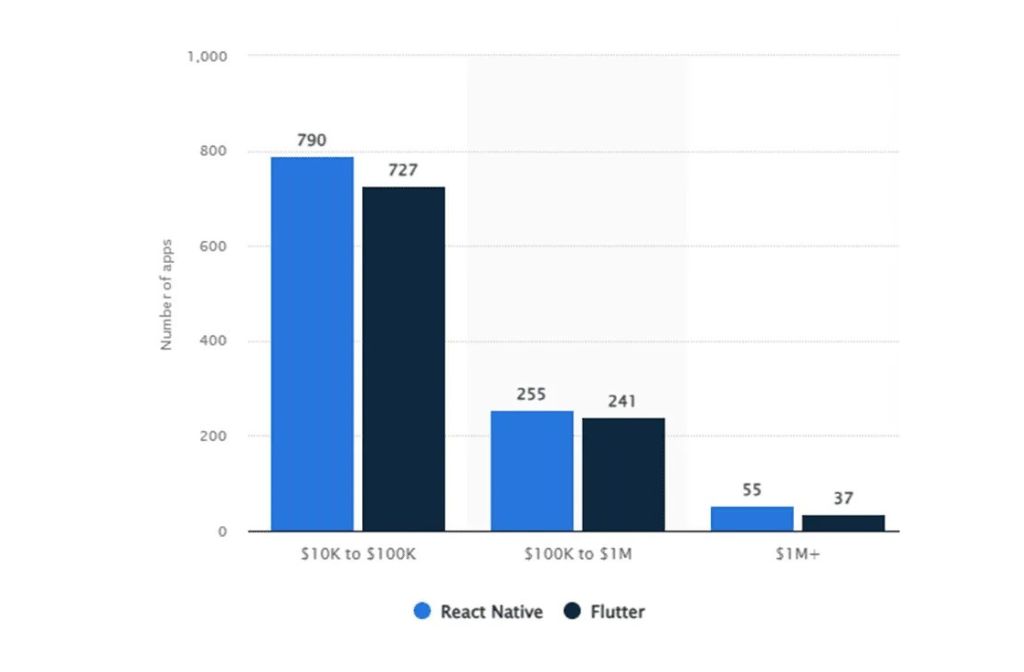
    Flutter is now a go-to choice for mobile app development, with over 45% of developers globally choosing it, according to recent market data.

    React Native App Development offers flexibility and large community support, ideal for scalable apps with a modular approach. Flutter delivers stunning UI across platforms from a single codebase.

    budget, and project complexity

    Which is perfect for MVPs and visually rich applications. Garage2Global’s team helps clients pick the right framework depending on performance needs, budget, and project complexity. Read the article in detail here.

    Security, Compliance & Post-Launch Support 

    Security, Compliance & Post-Launch Support 

    Security continues to be a critical priority in 2025. Garage2Global integrates industry-standard encryption protocols. GDPR compliance, and role-based access control into every product.

    Every step, from starting code building to launching, they maintain strict DevSecOps pipelines and automate security testing to mitigate risks.

    Even after launch, we are with you, their support services include bug tracking, version upgrades, and user feedback loops, ensuring your app remains secure and competitive.

    Last Verdict:

    Why Cross-Platform App Development by Garage2Global is the Right Partner in 2025. Opting the right tech partner can define your app’s success. Garage2Global doesn’t just build apps—they build digital products with purpose, scalability, and performance at their core.

    With deep expertise in cross-platform app development, mobile app development, Flutter app development, and React Native app development, they help clients reduce time to market and increase ROI.

    Get ready to bring your app idea to life? Connect with Apps Cre8ve and let their dynamic team tackle the husstle to make your vision into a powerful, cross-platform reality

    Commonly Asked Questions:(FAQS)

    Why is cross-platform app development important in 2025?

    Yes, it helps you get things done faster, cost efficiency, and consistent performance across Android, iOS, and web.

    What frameworks does Garage2Global use for cross-platform apps?

    Garage2Global offers deep experience and expertise in Flutter and React Native for scalable, high-performance app development.

    Can Garage2Global handle projects from MVP to full enterprise-scale?

    Yes, they offer optimized for adaptability and performance to evolve from MVPs to full-scale products seamlessly.

    Does Garage2Global compliant with modern data protection standards?

    Yes indeed. They implement GDPR, encryption, and DevSecOps best practices throughout development.


  • How to Develop a Minimum Viable Product for the U.S. Market in 2025

    How to Develop a Minimum Viable Product for the U.S. Market in 2025

    Listen up, startup founders! Are you geared up to materialize your big idea without spending a fortune?  If you want to enter the U.S market with a product in 2025 by creating a Minimum Viable Product (MVP), then it is the best way to test the market, confirm your idea, and get early users. All while saving money and keeping the risk at a minimum. Developing a Minimum Viable Product (MVP) is your key to testing the waters.

    This guide will show you how to construct an Minimum Viable Product (MVP) that fits the U.S. market, employing lean startup methodology, agile MVP development, and cost-effective resources to secure product-market fit in the U.S.

    We are going to unravel the nitty-gritty of Minimum Viable Product MVP app development in the USA and Let’s buckle up and bring your startup to the top!

    What is a Minimum Viable Product (MVP) and Why is it Important?

    A Minimum Viable Product (MVP) is the lowest viable version of your product that provides core value to customers with minimal features. It is a concept that was made famous by Eric Ries in The Lean Startup. An Minimum Viable Product MVP enables startups to test their business hypotheses, gather real-world feedback, and rework their product with the least amount of investment.

    For startups in the USA, where competition is aggressive and consumer demands are high, an MVP is indispensable for confirming the truth of your idea before you invest fully in a product.

    Concentrating on startup validation techniques, an MVP assists you in steering clear of the waste of resources on features that users don’t need, thus allowing you to get product-market fit in the U.S. fast and efficiently.

    You get feedback, tweak your stuff, and hopefully land on something people actually want before you blow your cash on pointless features. It’s survival of the quickest out there, and MVPs are your ticket to not getting eaten alive.

    Why MVPs Matter for U.S. Startups in 2025

    MVPs Matter for U.S. Startups

    The U.S. market is energetic and characterized by conflicting consumer preferences and a quickly changing technology environment.

    Introducing a product completely without any market research is akin to shooting yourself in the foot- a startup report from CB Insights states that 42% of new businesses fail because of no market need.

    That’s like giving yourself a cheat code, test the waters, and an MVP reduces this danger by enabling you to:

    • Validate ideas early: Don’t wait forever. Just toss your idea out there. Verify demand by testing your idea with actual users.
    • Save costs: Concentrate on key features to reduce MVP development costs in the United States.
    • Speed to market: Deploy urgently to maintain competitive advantage. Launch as soon as possible.
    • Attract investors: Showcase your concept to obtain investment.
    • Iterate based on feedback: Utilize consumer feedback to adjust your product for product-market fit.

    MVP Strategy & Concept: A Lean Approach

    MVP Strategy & Concept

    In 2025, a strategic approach based on lean startup methodology is necessary when developing a minimum viable product (MVP) for the U.S. market.

    Lean startup vibes all the way, don’t waste time building stuff nobody wants.

    The aim is to build a product that addresses one specific issue of your target customers and at the same time obtains useful data. This is the way to come up with an efficient MVP strategy:

    Step 1: Identify the Problem and Target Audience

    Identify the Problem and Target Audience

    Determine the issue that your product addresses first. For instance, the founders of Uber recognized the challenge of calling a cab in large cities in 2008.

    To learn about the problems that your American audience faces, conduct market research using surveys, interviews, or competition analysis. To make sure your MVP meets their demands, identify your target market, whether it is Austin small business owners or tech-savvy millennials in San Francisco.

    Step 2: Define Core Features

    Concentrate on the least number of features that still provide value. Resist the urge to include unnecessary additional features. Think about Uber when it first crawled out of the zone: it was literally just a texting service to snag a ride. No fancy app, no map that looks like it was designed by NASA, nothing. Just “Hey, I need a car,” and boom, you got one.

    No complicated application, with just the essential ride-hailing function. Employ MVP design thinking to focus on features that solve the main problem. Make a list of essential features and keep the optional ones for future versions. Less really is more, at least at the start.

    Also read this: Best Tools For Mobile App Development in 2025

    Step 3: Choose the Right MVP Type

    Depending on your product and goals, you can choose an MVP type that best fits your needs:

    • Landing Page MVP: Have a go at a very simple website to test if there is any interest in your idea (Dropbox is one such example where an explainer video was used to gauge demand).
    • Wizard of Oz MVP: Try to imitate a fully functional product manually (Amazon is a good example of this, as their early order fulfillment was manual).
    • Concierge MVP: Go full white-glove. You basically hold your customers’ hands and walk them through the service yourself, so you can see what works and what tanks. Provide individualized service to verify demand as a concierge MVP (e.g., AngelList’s manual investor introductions).
    • Single-Feature MVP: Don’t overcomplicate it. Figure out what makes sense for your idea, and just run with it. Concentrate on a single, important feature, such as Foursquare’s check-in function.

    Step 4: Develop Using Agile Methodology

    Utilize agile MVP development to develop rapidly and with multiple iterations. Divide the project into sprints, targeting the delivery of a functional product within 2–6 months. Collaboration tools such as Jira, Trello, or Confluence can keep your team connected, help to prioritize features, and also provide a visualization of the status. Agile cracking the code guarantees that you have the flexibility needed to pivot if user feedback so demands.

    Also read this: React Native App Development Cost Break Down

    Step 5: Launch and Gather Feedback

    Invite a small group of early adopters in the U.S. to test your MVP. Employ analytics tools such as Google Analytics or Mixpanel to observe user actions continuously.

    Draw up surveys or interviews for qualitative feedback based on what is good and what is bad. This build-measure-learn loop is crucial to the lean startup philosophy, and it assures that your product changes according to the true picture.

    Step 6: Iterate or Pivot

    Go through the comments to make a choice either to improve, expand, or redirect. Should your MVP catch on, retrieve it with more features.

    If it is a defeat, however, use the findings to redirect your way or think of a new concept. The repetition of this process is essential to product-market fit in the U.S.

    MVP vs. Full Product: Key Differences

    An MVP is the core of a product without all the features that were planned and the polish, while a full product is a finished product with all the planned features and polish. Determine the practical meaning of MVP vs. full product:

    MVP vs. Full Product
    AspectMVPFull Product
    FeaturesMinimal, core features onlyComprehensive feature set
    Development Time2–6 months12+ months
    CostLower (10–50% of total cost)Higher (full development budget)
    PurposeValidate concept, gather feedbackDeliver a complete user experience
    RiskLow risk, minimal investmentHigher risk, significant investment

    An MVP is all about proof of concept in the USA, verifying customer needs with the least possible inputs, whereas a full product is designed to capture the market with a refined, feature-complete solution.

    Real-World Example: Dropbox’s MVP Success in the U.S.

    Back in 2007, Dropbox basically pulled a classic “fake it till you make it” move. Dropbox released a Landing Page MVP to confirm their cloud storage concept.

    The founder, Drew Houston, made a short explanatory video introducing the product’s idea. He dropped it on places like Hacker News. Tons of sign-ups rolled in, all without a single line of real product code.

    This lean strategy not only enabled Dropbox to adjust its product based on initial feedback but also laid the foundation for its growth to a valuation of $10 billion.

    The effectiveness of startup validation techniques in the US market is demonstrated by this example.  

    MVP Development Costs in the USA

    The price of MVP app development in the USA is influenced by the complexity, the number of people in the team, and the technology used. ScienceSoft states that the price is between $40,000 and $300,000+, which is usually 10–50% of the budget of a full product. Here is the categorization:

    MVP TypeEstimated CostTimeline
    Mobile App MVP$40,000–$100,0002–4 months
    Web Portal MVP$50,000–$150,0003–5 months
    SaaS MVP$80,000–$300,0004–6 months

    In order to maintain low expenses, utilize budget-friendly MVP solutions that involve delegating non-core work to freelancers or agencies.

    Affordable MVP Tools and Platforms for 2025

    In 2025, creating an MVP doesn’t have to cost a fortune. To speed up development, there are a bunch of solid, affordable MVP tools out there, plus some decent U.S.-based MVP software platforms by leadings software development companies.

    • Bubble: Wanna throw together a web app without touching code? A web application no-code platform that’s perfect for quick prototyping.
    • Webflow: Webflow is a graphic web design tool for MVPs and lead pages.
    • Figma: A Cooperative design tool for wireframes and prototypes
    • Firebase: Elastic backend for mobile and web applications
    • OutSystems: Low-code platform that allows for speedier development.
    • AppGyver: A platform with low code that allows for quicker development.
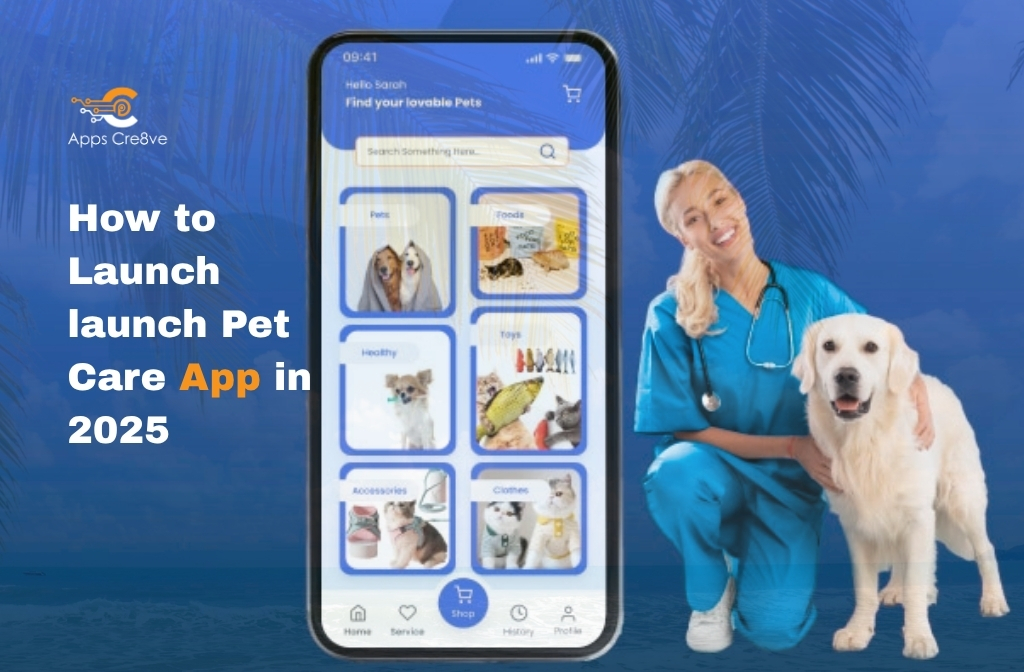
    These kinds of tools shorten the time of development and cut costs, thus they are ideal for startups that have a limited budget.

    MVP Development Services in the USA

    Startups in need of professionals can get the MVP developers in the USA who are experts in designing, coding, and testing.

    Tech companies such as ScienceSoft, B-works, and SolGuruz are the end-to-end MVP solution providers that have the whole process from planning to launch covered.

    They apply agile methods that ensure fast delivery and changes based on data.

    Collaborating with a custom mobile app development services located in the U.S. can not only bring your MVP in line with the local market but also implement features such as easy-to-use interfaces and be compliant with the rules like GDPR or CCPA.

    Validating Your MVP in the U.S. Market

    Pay close attention to  startup validation techniques:

    • User Testing: Examine early adopters’ usability.
    • Analytics: Monitor data such as user retention and engagement
    • Feedback Loops: To obtain information, use questionnaires, interviews, or NPS results.
    • Pricing Experiments: Use subscription or freemium models to gauge consumer willingness to pay.

    Reach out to early adopters in the U.S via online communities such as Product Hunt or Reddit to collect feedback and improve your product.

    Take Your Startup to the Next Level By Apps Cre8ve

    U.S. market, are you prepared to roll out your MVP in 2025? Begin with a small scale, test quickly, and make intelligent changes through agile MVP development and budget-friendly MVP solutions.

    Collaborate with a local U.S. mobile app development company Texas like Apps Cre8ve leverage tools such as Bubble and Webflow to give your idea a concrete form. Reach out to a reliable MVP development service in the USA or check out our suggested tools to start your journey.

    Now is the time to make your dream come true. Let’s get this show on the road. Take the first step! 

    Frequent Questions And Answers

    Why is an MVP significant, and what is it?

    An MVP is a minimally equipped product that has only the necessary features to provide value and collect user feedback. It is crucial to be a tool that enables entrepreneurs to validate ideas, test market demand, and improve with the least possible risk.

    What is the price of developing an MVP in the United States?

    The cost of MVP development in the U.S. can be from $40,000 up to $300,000. Usually, costs represent 10–50% of the total budget. The duration is 2–6 months.

    Which MVP tactics work best for startups in the United States?

    Identifying a specific problem, focusing on key features, using agile development, distributing the product to early users, and making changes based on feedback are the most successful strategies. 

    What resources are available to me in 2025 for creating an MVP?

    Consider low-code/no-code platforms like as Bubble, Webflow, AppGyver, or OutSystems. Figa fits design needs well, and Firebase provides scalable backends.

    How can I authenticate my MVP in the U.S market?

    Use user testing, price experiments, feedback questionnaires, and analytics (like Google Analytics) to validate your MVP. To obtain information and verify product-market fit, interact with early adopters on American sites such as Product Hunt.

  • Native vs Cross-Platform App Cost 2025: Which Is Cheaper?

    Native vs Cross-Platform App Cost 2025: Which Is Cheaper?

    It is 2025 and companies that are looking to start a mobile app are at a crossroads where they have to choose between native app development vs cross-platform app development. This decision has effects not only on the app development cost but also on the performance, scalability, and user experience.

    If you’re a startup on a limited budget or an enterprise that is in search of high-performance solutions, familiarity with the native vs cross-platform cost comparison will become most important.

    This roadmap breaks down the cost of mobile apps, discusses affordable app development options, and forecasts app cost trends for 2025, enabling you to make a well-informed choice.

    Understanding with Native And Cross-platform App:

    What Is Native App Development?

    Native app development refers to creating apps that are designed for one particular platform only, for example, iOS (with Swift or Objective-C) or Android (with Kotlin or Java).

    The apps are tailored to the platform’s hardware and software, therefore, they provide better performance and a more consistent user experience. However, the cost of native app development in 2025 is expected to be more expensive as it is necessary to have separate codebases for each platform.

    Benefits of Native App Development

    Benefits of Native App Development
    • Superior Performance: Native apps, constructed with platform-specific languages such as Swift or Kotlin, deliver faster load times and more fluid animations, thus they are the best choice for performance-intensive applications like gaming or AR/VR.
    • Access to Platform Features: Native apps are not only the most compatible with device-specific capabilities, but they also completely utilize these capabilities. For instance, the use of Apple’s ARKit or Android’s Google Maps APIs corresponds to deep integration with hardware.
    • Enhanced User Experience: Following platform-specific design guidelines, native apps offer an interface that is easy to understand and familiar to users.
    • Scalability and Flexibility: Native apps are more convenient to expand when they go for more complicated facilities, since programmers can exercise their full force in the operating system.

    Drawbacks of Native App Development

    • Higher Costs: Developing individual applications for iOS and Android involves more developer hours, thus increasing the iOS vs Android native cost.
    • Longer Development Time: Creating and managing two codebases also inflates the project duration, which results in a longer time-to-market.
    • Maintenance Challenges: The need to provide updates and bug fixes to each platform independently drives up app maintenance costs.

    What Is Cross-Platform App Development?

    Cross-Platform App Development

    Cross-platform app development involves using one codebase to develop apps that work on different platforms like iOS and Android. In 2025, frameworks such as Flutter, React Native, and Xamarin are the most commonly used. This method is widely recognized as the most cost-effective app development option and the quickest-to-market option for app development.

    Benefits of Cross-Platform App Development

    • Cost Efficiency: Using a single codebase drastically cuts down on cross-platform app development costs in 2025, typically saving 30–50% over native development. No more waiting ages to get from iOS to Android. It’s all one big drop.
    • Faster Development: The same time it takes to deploy on multiple platforms accelerates the process, which is perfect for startups that want to launch quickly. Less time wasted, less money burned. Your future self will thank you.
    • Easier Maintenance: Improvements go to one codebase, thus easing maintenance and cutting down on long-term expenses.
    • Consistent UI/UX: Cross-platform applications guarantee a consistent look and feel across platforms, upholding brand coherence.

    Drawbacks of Cross-Platform App Development

    • Performance Limitations: Apps that cross platforms may be subject to small lags resulting from abstraction layers, thus they are not the best choice for hybrid vs native app performance in resource-intensive tasks.
    • Limited Access to Native Features: Certain platform-specific APIs necessitate further native modules, which complicate the situation.
    • Framework Dependency: When Flutter or React Native are refreshed, the features of the new operating system might be accessed a bit later.

    Native vs Cross-Platform App Development Cost in 2025

    The app development cost has a large range depending on the approach chosen. Here’s the lowdown on what’s draining your wallet: mobile app cost breakdown for 2025 taking into account app complexity, developer hourly rates, and where in the world you’re hiring from. Let’s break it down, no sugarcoating!

    Cost Breakdown Table

    FactorNative DevelopmentCross-Platform Development
    Initial Development Cost$80,000–$200,000 per platform$50,000–$120,000 (single codebase)
    Maintenance CostHigh (separate updates for iOS/Android)Lower (single codebase updates)
    Development Time6–12 months per platform4–6 months for both platforms
    Team SizeTwo teams (iOS and Android)Single unified team
    Average Project Cost$100,000–$400,000 (both platforms)$50,000–$200,000 (both platforms)

    Factors Affecting Mobile App Development Costs in 2025

    Several app development cost factors influence the final price. Let’s break it down:

    • App Complexity:  The price tag gets wild, depending on what you want. If you’re just making a basic info app, think calculators or a digital flyer. But if you’re dreaming big, like launching the next Candy Crush or a full-blown e-commerce or gaming, welcome to the $100k–$300k club. Simple apps cost $20,000–$60,000, while complex apps range from $100,000–$300,000.
    • Developer Hourly Rates in 2025: Prices differ by area. While outsourcing to countries like India or Ukraine can lower expenses to $20 to $50 per hour, developers in the USA charge $50 to $150 per hour.
    • Features and Integrations: Costs are raised by advanced features like AI, AR/VR, and payment gateways.
    • Design Requirements: Compared to typical templates, custom UI/UX designs are more expensive. If you want your app to look good, a custom UI/UX design will cost you more than a basic template.
    • Maintenance and Updates: Maintenance is the part no one talks about until it’s too late. Cross-platform apps simplify this procedure, whereas native apps need their upgrades.

    Which Is Cheaper: Native or Cross-Platform?

    Building a cross-platform app? Yeah, it usually won’t torch your wallet like going fully native will. Because of a single codebase and a smaller team, cross platform app development company like Apps Cre8ve provide services is usually less expensive than native app development services.

    For companies that are wondering, “Is cross-platform app development cheaper than native?”, the reply is affirmative, with the possibility of savings of up to 50% in some cases. To illustrate, a medium-complexity cross-platform app is estimated to cost $50,000–$120,000, while native apps for both platforms, iOS and Android, can be more than $200,000.

    On the other hand, app ROI comparison by platform demonstrates that native apps may be worth higher expenses in the case of performance-critical applications. Cross-platform apps, however, are more profitable for startups or businesses that focus on a broad audience with simpler apps.

    Now, if you’re a startup or just wanna hit a wide audience with something straightforward, cross-platform is a no-brainer. Big savings, faster launch, less drama. Just don’t expect it to work miracles if your app needs to push the hardware to the edge.

    Real-World Example: A Startup’s Success with Cross-Platform Development

    Take, for instance, a San Francisco-based startup named “FitTrack,” which is releasing a fitness app in 2025. Due to a limited budget and the need to target both iOS and Android users, FitTrack decided to use Flutter for building their app.

    One codebase meant they could launch in four months for $60,000, while native development would have been estimated at $150,000. Four months later—and sixty grand lighter—they’ve got an app that looks sharp on any phone you throw at it. Super consistent UI,

    So nobody’s side-eyeing the Android version. And because they didn’t torch their whole budget building the thing, they actually had cash left to make some noise about it. Boom—10,000 users in the first month. Stories like this are exactly why startups keep betting on cross-platform tools in 2025.

    It’s just a smart hustle. This example draws attention to the fact that cross-platform development for businesses is still a favored option for startups in 2025.

    Best App Type for Startups in 2025

    Cross-platform development will typically be the best mobile app for startups in 2025 that are on a tight budget. It provides:

    • Cost Savings: App development costs are lower than for native apps. They’re way easier on the wallet than going full native. 
    • Faster Market Entry: Perfect for testing MVPs and making adjustments in response to user input.
    • Broad Reach: Aim to reach both Android (71.88%) and iOS (27.65%) users without doubling expenses.

    Nevertheless, startups that are creating high-performance apps (such as gaming or fintech) can still gain from native development, although the cost might be higher because it guarantees better performance and transforming user experience.

    App Cost Trends in 2025

    The app cost trends in 2025 have a lot to do with the changing technologies and market requirements:

    • Rise of Cross-Platform Frameworks: Flutter and React Native are the most popular platforms for developers because they are affordable and easy to use.
    • AI and 5G Integration:  An application that uses 5G or AI must have a bigger budget, but it can increase user participation.
    • Progressive Web Apps (PWAs): PWAs are far from native in terms of their performance; however, they are still gaining popularity because of their low price (from $5,000 to $20,000) and web-based usability, even though they don’t have native functionality.
    • Outsourcing Growth: Outsourcing is still king. In the USA in 2025, hiring developers from outside countries lowers app development rates in USA/2025.

    Budgeting for App Development in 2025

    if you wanna squeeze the most outta your budgeting for app development,  you gotta play it smart, try these methods:

    • Define Clear Requirements: Nail down what’s necessary for your MVP. Concentrate on a Minimal Viable Product (MVP)’s necessary features to keep the budget in check.
    • Choose the Right Framework: For cross-platform, Flutter vs native development cost shows Flutter app development as an affordable option, while React Native vs Swift cost comparisons favor React Native for projects with less budget

    Pros and Cons of Native vs Cross-Platform Apps in 2025

    Native Apps

    • Pros: Unparalleled performance, complete access to platform features, and excellent user experience.
    • Cons: Your financial situation may be negatively impacted, costlier, more time-consuming, and complicated maintenance for native apps.

    Cross-Platform Apps

    • Pros: Advantages include reduced expenses for cross-platform app development, faster development, and simpler maintenance.
    • Cons: Slight performance lags and restricted access to several native functions.

    Final Verdict: For the Right PIck in 2025

    In 2025, deciding between native vs cross-platform app development will be heavily influenced by your objectives, budget, and target market. Native apps are the best for performance-centric endeavors, whereas cross-platform apps provide more cost-effective app development options for startups and businesses that want to reach several platforms.

    By grasping the mobile app cost breakdown and app development cost factors, you will have the ability to adjust your strategy to fit your business needs.

    Thinking of making this app a reality? Hit up a mobile app development company that actually gets what you’re trying to do. Toss your idea their way, talk budget, scope, and timelines. Who knows? 2025 might just be your app’s year to shine.

    FAQs

    How much will it cost to create a native application?

    Developing a native app can cost anywhere between $80,000 and $200,000 for one platform, which means that the total for iOS and Android can be from $100,000 to $400,000.

    Is it less expensive to design cross-platform apps than native ones?

    Cross-platform development is generally half or less the price of native development and can be as low as 30–50% cheaper, giving the price between $50,000 and $120,000 for both platforms with a single codebase.

    What are the benefits and drawbacks of cross-platform vs native apps?

    Native applications generally provide better performance as well as deeper platform integration, but they are more expensive. On the other hand, cross-platform apps consume less budget, time, and can face some performance problems if the app is complex.

    Which kind of software is ideal for low-budget startups?

    Startups would prefer cross-platform apps due to the cheaper price, faster development, and more potential customers. These benefits make them perfect for MVPs.

    What factors will influence the cost of developing mobile apps in 2025?

    App complexity, developer hourly rates, functionality, design specifications, and maintenance requirements are important considerations. 

  • Restaurant App Optimization Guide for Smart And Scalable Growth

    Restaurant App Optimization Guide for Smart And Scalable Growth

    In an era where convenience holds the highest importance, a restaurant mobile app is a hidden edge that sets you apart from the rest in the food industry. It doesn’t matter if it is a food ordering app, a restaurant delivery app, or a table reservation system via app; by optimizing your app, you can not only change customer experiences but also increase your revenue exponentially.

    This guide thoroughly covers restaurant app optimization, giving hands-on ways to reduce bounce rate, improve the mobile app UI/UX for food service, utilize push notifications for restaurant apps, raise conversions, and highlight features that are essential to every restaurant app. 

    Cheapest delivery apps, quick ordering, and booking a table in two taps? That’s the new normal. Now, let’s get your mobile app for restaurants to be a customer favorite!

    Set up the Objectives And Reach of your Restaurant app

    Clearly defining the app’s goal and functionality is the first stage in developing a restaurant app. Determine the demands of your target audience first. Would you like to concentrate on table bookings, online ordering, or loyalty programs? You can make a development roadmap for the app by identifying its main purpose.

    How to Reduce Bounce Rate in Your Restaurant App

    Reduce Bounce Rate of Your Restaurant App

    Its high bounce rate—when customers leave your restaurant mobile app only after a short time of using it—means that there is a problem. To maintain customer loyalty, you must provide a smooth and user-friendly experience. These are efficient methods to reduce bounce rates, supported by restaurant app analytics.

    • Speed Up Load Times: Slow apps annoy users. Reduce image size, optimize code, and choose a reliable hosting provider to make sure your food ordering app loads in less than three seconds. Researches reveal that a one-second delay can lead to 7% more bounce rates.
    • Simplify Navigation: Design a clean mobile app UI/UX for food service and implement by mobile app developers in Texas with easy-to-find menus, prominent search bars, and clear call-to-action (CTA) buttons.
    • Personalize Content: Utilize information from restaurant apps to customize recommendations according to user activity. A user may continue to browse if, for instance, their favorite dish is suggested.
    • Test for Responsiveness: Make sure your restaurant delivery app is compatible with all devices without any glitches. An app that is not well presented on a tablet or phone can cause users to go to your competitors.
    • Fix Bugs Promptly: Bounce rate bad actors include checkout errors or broken links. Make sure to regularly test features such as mobile payment integration so that the experience is uninterrupted.
    Bounce Rate Reduction StrategyImpactImplementation Tip
    Faster Load TimesReduces bounce by 7% per second savedUse tools like Google PageSpeed Insights
    Simplified NavigationIncreases session time by 20%Limit menu options to 5-7 per screen
    PersonalizationBoosts engagement by 15%Use analytics to track preferences

    By executing these techniques, you will not only attract users by delivery apps to make money but also retain them on your mobile app for restaurants. Use these tricks and people won’t wanna leave your restaurant app—they’ll stick around, keep coming back for more, maybe even get a little obsessed.

    UX Design Best Practices for Optimizing Food Delivery Apps

    UX Design Best Practices for delivery apps

    The user experience (UX) of a food delivery app can either strongly influence or destroy customer loyalty. A brilliant mobile app UI/UX for food service guarantees users’ orders without any hassle and come back regularly.  Wanna boost your app’s vibe? Steal a few tricks from the restaurant apps that everybody loves—here’s how you level up that user experience.

    • Streamline Ordering: Simplify the process. Nobody wants to jump through a million hoops just to get a burger. Cut down the steps—let folks pick their food and pay without a scavenger hunt. Employ visually appealing images, brief product descriptions, and a progress bar for real-time order tracking.
    • Enhance Search Functionality: A solid search bar can be the difference between hangry rage and happy munching, and always helps in better navigation of your restaurant mobile app.
    • Incorporate Feedback Loops: Empower customers to rate orders or submit improvements. This creates trust and also makes restaurant app analytics more accurate.
    • Ensure Accessibility: Implement options such as text enlargement or voice commands in your food ordering application to cater to the needs of all users.
    UX Optimization PracticeBenefitExample
    Streamlined Ordering30% faster checkoutDomino’s Pizza app progress tracker
    Enhanced Search25% more menu explorationUber Eats’ filter options
    Accessibility Features10% wider audience reachVoice navigation in DoorDash

    You stick to these tricks, and boom—you’ve got a food delivery app that’s fun to use and doesn’t make people want to throw their phone out the window.  Such restaurant app optimization practices result in a food delivery app that is intuitive, engaging, and customer-centric.

    Why Your Restaurant App Needs Push Notifications

    Push notifications for restaurant apps are definitely a game-changer when it comes to engagement. They not only remind your mobile app for restaurants of the customer but also help in increasing orders and loyalty. Here’s why they are absolutely necessary.

    • Re-engage Dormant Users: Message like “Craving sushi? “ Snag 15% off today!”—Seriously, who can resist? It is a perfect example of a notification that can attract your inactive users back to your food ordering app.
    • Promote Special Offers: Boost your time-limited deals, e.g., “Free dessert with orders over $20 this weekend!” to create a sense of urgency. That’s the kind of message that makes people pause mid-scroll.
    • Support Loyalty Programs: Inform users that a loyalty program in food apps is available and give them an example, such as “Earn 50 points on your next order!” This is pure catnip for deal chasers and regulars alike.
    • Provide Order Updates: Real-time order tracking is clutch. “Your pizza’s rolling out!” Let’s be honest, everyone loves stalking their food’s journey.
    • Balance Frequency:  When users get too many notifications, they will most likely choose to opt out. However, restaurant app analytics can come in handy to send 2-3 targeted messages per week instead of bombarding them with too many.
    Push Notification TypePurposeConversion Rate Increase
    Re-engagementBring back inactive users12%
    Special OffersDrive immediate sales18%
    Order UpdatesBuild trust10%

    With strategic push notifications for restaurant apps, you’ll keep customers engaged and boost sales.

    Tips to Increase Conversions on Restaurant Apps

    Conversions—orders, reservations, or sign-ups—are the lifelines of your restaurant mobile app. Below are actionable tips to increase conversions on restaurant apps, based on the best in the industry.

    • Simplify Checkout: Minimize the steps required in the checkout procedure. Provide a mobile payment integration that supports various payment methods such as PayPal, Apple Pay, or Google Pay.
    • Incentivize Actions: Toss out a discount for first-timers, or maybe free delivery. People love feeling like they’re getting away with something.
    • Use Social Proof: Within your food delivery app, visually indicate customer ratings and reviews. Got a bunch of five-star reviews? Flaunt ‘em. As an illustration, “4.8 stars from 500+ customers” supplies the necessary confidence for the purchase decision.
    • Optimize CTAs: Make use of simple, direct buttons such as “Order Now” or “Book a Table” in contrasting colors to attract more clicks.
    Conversion StrategyEffectivenessReal-World Example
    Simplified Checkout25% higher completion ratesStarbucks’ one-tap payment
    Incentives20% more first-time ordersGrubhub’s free delivery offer
    Social Proof15% trust increaseYelp ratings integration

    These methods will not only get more sales from the browsers but will also help you unlock the full potential of your mobile app for restaurants. 

    Money Features Every Restaurant App Should Have

    To compete in the crowded food industry, your restaurant mobile app needs features that wow customers courtesy from leading mobile app development company in Texas. Here are the essential features every restaurant app should have, ensuring convenience and engagement.

    • Interactive Menu: Offer a dynamic menu with customization options, high-quality images, and dietary filters.
    • Real-Time Order Tracking: Provide live updates from order confirmation to delivery, building trust in your food ordering app.
    • Mobile Payment Integration: Support secure payments via digital wallets, cards, or UPI for a frictionless checkout.
    • Table Reservation System via App: Let users book tables with options for date, time, and party size.
    • Loyalty Programs in Food Apps: Reward repeat customers with points or discounts to foster loyalty.
    • Push Notifications: Keep users engaged with personalized offers and updates, as discussed earlier.
    • Analytics Integration: Use restaurant app analytics to track user behavior and optimize performance.
    • Multi-Language Support: Cater to diverse audiences with language options, especially in global markets.
    FeatureCustomer BenefitBusiness Impact
    Real-Time TrackingTransparency20% higher retention
    Loyalty ProgramRepeat purchases15% revenue boost
    Table ReservationsConvenience10% more bookings

    Such features turn your restaurant delivery app into a one-stop shop for customers, thus creating the growth and satisfaction of the customers.

    Final Verdict

    A high-performing restaurant mobile app could be your next big thing when it comes to success in the fiercely competitive food industry. By concentrating on restaurant app optimization, you can not just reduce bounce rates but also upgrade themobile app UI/UX for food service, tap into push notifications for restaurant apps, increase conversions, and fill your app with features that are going to make life easier such as real-time order tracking, mobile payment integration, and loyalty programs in food apps.

    These are the strategies that you should start to implement now in order to create a food ordering app that not only attracts customers but also is the fuel of your business’s success.

    Start tightening up your app now, or watch your hungry crowd wander off to someone who actually gets it.

    FAQs

    What are some ways that a restaurant app might increase client retention?

    A restaurant app isn’t just a digital menu. It increases retention through loyalty programs, personalized offers, and real-time order tracking, which not only keep customers engaged but also encourage them to return.

    What creates a user-friendly meal ordering app?

    Easy navigation, fast load times, clear call-to-actions, and a stylish design are all features of a user-friendly food ordering app.

    Why do restaurant applications need push notifications?

    With targeted, timely communications, bring users back, introduce them to offers, and keep them updated on their orders, thus increasing engagement and driving sales with focused, timely messages.

    What are the advantages of restaurant apps that integrate mobile payments?

    Mobile payment integration makes checkout easier, allows various payment methods, and cuts down on friction. Mobile payment means no fumbling with cards, no awkward wallet moments, just tap and done.

    What function do analytics serve in apps for restaurants?

    Analytics are the secret sauce. It monitors user activity, preferences, and conversions to improve overall app efficiency, optimize features, and tailor user experiences.

  • Top Content Management Systems You Need to Know in 2025

    Top Content Management Systems You Need to Know in 2025

    In the rapidly changing digital environment of 2025, it is crucial for businesses, developers, and marketers to select a Content Management System (CMS) that enables them to achieve an engaging, scalable, and seamless online experience.

    CMS is a major LMC that facilitates website content management, streamlines content publishing workflows, and empowers teams to succeed in digital content management.

    No matter if you are planning to create a blog, an e-commerce platform, or an enterprise-grade website, CMS platforms have both general and specialized web CMS solutions for different needs.

    Let’s break down the best CMS tools for websites you should be eyeballing in 2025. Features, perks, why they’re worth your time, and how they play with all the other shiny digital experience platforms (DXP) out there. Buckle up.

    What is a Content Management System (CMS)?

    A Content Management System (CMS) is a software application that enables users to publish, organize, and update electronic data without any technical knowledge.

    From WordPress as an open-source CMS to HubSpot CMS Hub as a proprietary CMS, and also to a headless Content management system such as Contentful, the CMS platforms are designed for creating different types of content and also for managing various tasks.

    They guarantee website scalability, implement marketing automation in CMS, and offer powerful CMS user roles and permissions for effective collaboration.

    The market for flexible, easy-to-use, and scalable web CMS solutions is growing exponentially in 2025. We will take a look at the most popular Content management system platforms and the ways they help businesses succeed in the digital world.

    Website Development Tools: The Role of CMS in Modern Web Development

    Contemporary website development tools excessively rely on CMS platforms to ease the process of creating and managing websites.

    A content management system works best when powered by a reliable web development company like Apps Cre8ve, by the way, serves as the engine that lets you bind together a decent-looking site without losing your mind over code.

    WordPress, Drupal, and Joomla are the top three platforms that have a plethora of plugin and theme libraries; thus, they can be considered versatile CMS tools for websites.

    In the case of developers, open-source CMS platforms give them away and beyond flexibility, as they can customize the code, integrate third-party, and scale for high-traffic sites.

    Proprietary CMS solutions such as Wix and Squarespace provide simple drag-and-drop interfaces, which are suitable for small businesses that want to be up and running quickly.

    The debut of headless CMS has brought a complete overhaul to website development tools, as it has separated the backend from the frontend to send content to several channels, including mobile apps and IoT devices.

    Why CMS is Essential for Website Development

    why cms is essential
    • Ease of Use: Content can be managed by people who are not technical, with no need for coding skills.
    • Scalability: Utilizes website scalability with CMS, thus being able to cope with the increasing traffic and content requirements.
    • Customization: Themes, plugins, and APIs allow for custom-made solutions.
    • Collaboration: CMS user roles and permissions make team workflows efficient and seamless.
    • How much does a website cost for my business?

    Digital Experience Platform (DXP): CMS as the Core of Digital Success

    A digital experience platform (DXP) is a bigger concept than just a website content management systems (CMS); they both work together, providing analytics, personalization, and marketing automation in a CMS. In 2025,

    Adobe Experience Manager and Sitecore will be the leading DXP platforms, thus they will empower businesses to craft personalized, seamless experiences across multiple channels.

    A DXP that is supported by a CMS allows for uninterrupted digital content management not only on websites but also on apps and social media. Take, for example, a headless CMS like Strapi, which supplies various platforms with content; thus, a consistent user experience that is consistent is guaranteed.

    Traditional CMS platforms such as WordPress cooperate with tools like Yoast SEO and Google Analytics, thus digital experience platforms are enlightened with insights regarding user behavior and content performance.

    Key Features of a CMS-Driven DXP

    • Personalization: Custom content depending on user choices.
    • Omnichannel Delivery: Content distributed via web, mobile apps, and wearables.
    • Analytics Integration: Monitors carry out performance indicators for campaign improvement.
    • Scalability: Accepts enterprise-level traffic and complicated content publishing workflows.

    Content Publishing Workflow: Streamlining Content Creation

    The power of an efficient content publishing workflow cannot be overemphasized, and it is the driving force behind any successful CMS. In the year 2025,

    Platforms such as WordPress, Contentful, and HubSpot CMS Hub will have high performance in easing the process of content writing, editing, and publishing. User-friendly interfaces, drag-and-drop editors, and collaborative tools have made workflows less complicated.

    WordPress’s block editor (Gutenberg) allows users to create complicated layouts without programming; on the other hand, a headless CMS like Contentful provides APIs for smooth content transfer.

    The use of the HubSpot interface in the marketing automation integrates the CMS in the process of publishing the schedules and the targeted campaigns, thus it is done automatically.

    How CMS Enhances Content Publishing

    • Content Scheduling: Automates dispatches for marketing synchronization.
    • Team Collaboration: Distributes CMS user roles and permissions for smoothness.
    • Version Control: Follows up on modifications for mistake-free releasing.
    • SEO Optimization: Integrated utilities significantly enhance search engine visibility.

    Website Scalability with CMS: Building for Growth

    As companies grow, their websites have to be able to accommodate more traffic and content. Website scalability CMS plays an important role in CMS for enterprise websites. Websites such as Drupal and Sitecore accommodate complex sites by certified website developers with thousands of pages and high user traffic.

    Open source CMS such as Joomla and Drupal provide modular architectures that are designed for scalability, and headless CMS such as Sanity allow for flexible content delivery across channels. Proprietary CMS such as Wix and Squarespace offer scalable hosting for smaller businesses.

    Tips for Scalability

    • Cloud-Based CMS: Use Webflow or HubSpot for scalable hosting.
    • Performance Optimization: Leverage caching, CDNs, and image compression.
    • Modular Design: Facilitates simple additions and modifications.
    • Load Testing:  Verify functionality in situations with significant traffic.

    CMS for Enterprise Websites: Powering Large-Scale Presence

    CMS for enterprise websites requires multi-site management capability, going worldwide with content delivery and CMS integration with CRM/ERP.

    The platforms like Adobe Experience Manager, Sitecore, and Drupal lead the pack in 2025 due to their powerful features.

    Experience Manager by Adobe is integrated with Adobe Marketing Cloud for marketing automation in CMS and is compatible with Salesforce for the CMS integration with CRM/ERP.

    Drupal provides enterprise-grade security and customization that makes it perfect for corporate and government sites.

    Why Enterprises Choose Dedicated CMS For Web & Mobile Apps

    Content Management Systems dedicated to enterprise mobile apps have special features that make them so desirable:

    • Multi-Site Management: Decentralized control for many web & mobile app pages.
    • Global Delivery: CDNs ensure the speed of content access all over the world.
    • Security: Observance of the rules of GDPR and CCPA.
    • Integration: Effortless linkage to CRM and ERP.

    Marketing Automation in CMS: Driving Engagement

    Marketing automation in CMS has improved user engagement in 2025. HubSpot CMS Hub and Marketo Engage are examples of platforms that integrate automation tools for targeted campaigns, user tracking, and email marketing.

    HubSpot also works with its CRM for personalized content delivery, whereas a headless CMS such as Contentful distributes dynamic content across channels for a better digital content management experience. Automation simplifies recurring tasks, allowing more time for strategic planning.

    Benefits of Marketing Automation

    • Personalized Campaigns: Content created specifically for particular user groups.
    • Lead Nurturing: Sales funnels using automated email sequences.
    • Analytics: Track the effectiveness of your campaigns.
    • Efficiency: Post on social media and schedule tasks automatically.

    CMS Integration with CRM/ERP: Unifying Operations

    CMS Integration

    CMS integration with CRM/ERP makes your processes more efficient and can also improve your customer experience.

    Sitecore, HubSpot, and Salesforce Experience Cloud are examples of platforms that are very good at CRM and ERP implementation system.

    Sitecore carries out the integration with Salesforce for customer-centric content, whereas HubSpot CMS Hub’s connection with its CRM ensures unobstructed data transfer.

    Such correspondences not only facilitate digital content management but also cater to complicated content publishing workflows.

    How Integration Boosts Efficiency

    • Centralized Data:  A single, unified picture of client information.
    • Automated Workflows:  Set off events in response to user input.
    • Personalization: Create customized content using mobile CRM data.
    • Streamlined Operations: Minimize the amount of manual data entry.

    CMS User Roles and Permissions: Empowering Collaboration

    Effective CMS user roles and permissions guarantee safe and efficient cooperation. WordPress, Drupal, and Contentful allow detailed permission configurations among editors, designers, and developers.

    WordPress hires roles such as Administrator and Editor, whereas a headless CMS like Sanity gives API-based permissions for custom roles.

    Such functionalities are essential for CMS for enterprise websites that have large teams.

    Best Practices for User Roles

    • Clear Roles: Prevent permission overlap.
    • Limited Admin Access:  Only allow trustworthy users.
    • Regular Audits: Conduct routine audits to verify security compliance.
    • Training: Inform groups about the features of CMS.

    Top CMS Platforms to Watch in 2025

    Top CMS Platforms to Watch in 2025

    Here’s a chart that compares major CMS platforms in 2025, pinpointing their specialty use cases:

    CMS PlatformTypeEase of UseCustomizationScalabilityBest For
    WordPressOpen-Source CMSHighHighModerateBlogs, SMEs, E-commerce
    DrupalOpen-Source CMSModerateVery HighHighEnterprise, Complex Sites
    HubSpot CMS HubProprietary CMSHighModerateHighMarketing, CRM Integration
    ContentfulHeadless CMSModerateHighVery HighOmnichannel, Developer-Friendly
    Adobe Experience ManagerProprietary CMSModerateVery HighVery HighEnterprise, Personalization
    1. WordPress:  With a wide range of plugins, it’s flexible for blogs and small businesses.
    2. Drupal: The best CMS for enterprise websites.
    3. HubSpot CMS Hub: Proficient in CRM and CMS integration and marketing automation.
    4. Contentful: Ideal for omnichannel digital content management with headless CMS.
    5. Adobe Experience Manager: The industry-leading digital experience platform (DXP) for businesses is Adobe Experience Manager.

    Final Verdict:

    In 2025, Content Management Systems are the foundation of website content management, facilitating businesses to design, control, and grow digital experiences.

    The right CMS can change your digital game from an open-source CMS like WordPress to a headless CMS like Contentful and a proprietary CMS like HubSpot.

    By utilizing website development tools, digital experience platforms (DXP), and marketing automation in CMS, businesses have the ability to provide customized content at a large scale.

    Pick a CMS that is compatible with your objectives for web scalability, content publishing workflows, and CMS integration with CRM/ERP if you want to remain competitive in the digital race.

    FAQs

    What distinguishes headless CMS from traditional CMS?

    A traditional CMS integrates content management and presentation, whereas a headless CMS separates the backend, providing content over APIs to various platforms.

    What CMS is the most suitable for small companies? 

    Proprietary CMS such as Wix and Squarespace are perfect for small companies that want an easy-to-use and friendly platform. WordPress is an open-source CMS that is very customizable.

    Can CMS integrate with marketing tools?

    Ofcourse, for increased efficiency, platforms such as HubSpot and Sitecore provide marketing automation in CMS and CMS interaction with CRM/ERP.

    What is the best CMS for enterprise websites? 

    CMS for enterprise websites, such as Adobe Experience Manager, Sitecore, and Drupal, provides scalability, security, and strong integration.

    How can I pick a CMS that will scale over time?

    To guarantee website scalability with CMS for expanding traffic and content needs, choose a CMS with cloud hosting, flexible architecture, and CDN support, such as Drupal or Contentful.

  • Best Tools for Mobile App Development in 2025

    Best Tools for Mobile App Development in 2025

    Mobile app development carries the torch for digital innovation in 2025, with more than 6 billion smartphone users all around the globe fueling the need for trouble-free and high-performing applications. Opting for the best tools for mobile app development is very important to create apps that catch the attention of customers in the competitive market.

    The top mobile app development tools in 2025 cater to the needs of native app development, cross-platform app development tools, hybrid app development tools, and UI/UX design tools for mobile apps, regardless of whether you are developing for iOS, Android, or both.

    Informed by the insights of industry leaders like Apps Cre8ve have the certified teams of mobile app developers in Texas, this guide tracks down the latest app development tools, app development frameworks 2025, and app development trends 2025 to aid you in making grounded decisions.

    Besides, we will discuss Flutter vs React Native 2025 and share with you some tips on how to choose the right app development tool for your project.

    “According to Statista, the global mobile app industry is expected to generate a revenue of USD 781.70 billion by 2029, making it an increasingly attractive avenue for entrepreneurs looking to scale their businesses through mobile solutions.”

    Why the Right Tools Matter in 2025

    Why the Right Tools Matter in 2025

    The mobile app development software 2025 landscape is exceedingly dynamic and is very much influenced by innovations like AI integration, augmented reality (AR), and progressive web apps (PWAs), which are the major factors in shaping the future.

    Choosing the appropriate mobile development platforms guarantees not only quicker development cycles and more cost-efficient operations but also better user experiences.

    Regardless of whether you are a startup or an enterprise, employing open-source app development tools, app prototyping tools, or native app development solutions can be a deciding factor for your project’s success.

    Native App Development Solutions

    App Prototyping Tools

    Native apps, designed only for iOS or Android, provide the highest performance that cannot be matched and allow to use of features that are unique to the platform. Here’s a quick look at the best mobile app development tools for building native apps in 2025, all laid out side-by-side. 

    Android Studio: The Android Developer’s Choice

     Android Studio, the primary IDE of Google, still forms the foundation of the Android and iOS app development tools (through plugins). It enables Kotlin, Java, and C++ and provides a powerful environment for creating high-performance Android applications. 

    Developers love it because of its features, such as a visual layout editor and Firebase integration, which make their work easier. 

    Xcode: Apple’s Powerhouse for iOS

    Xcode Apple’s Powerhouse for iOS

     Xcode, Apple’s IDE, is designed specifically for iOS, macOS, watchOS, and tvOS applications. It is Apple’s Swiss Army knife for building apps on iPhones. Besides supporting Swift and Objective-C, Xcode’s SwiftUI framework and the simulator are perfect for building smooth iOS apps that are compatible with Apple’s ecosystem.

    ToolSupported PlatformsLanguagesKey FeaturesBest For
    Android StudioAndroidKotlin, Java, C++Gradle build system, emulator, Firebase integration, and visual layout editorAndroid developers, scalable apps
    XcodeiOS, macOS, watchOSSwift, Objective-CSwiftUI, XCTest, ARKit integration, simulatoriOS developers, Apple ecosystem

    Cross-Platform App Development Tools

    Cross-Platform App Development Tools

    Cross-platform app development tools enable developers to create a single codebase for iOS, Android, and web, which results in time and resource savings. Today is 2025, and Flutter vs React Native 2025 still attracts a lot of attention. So, here’s the lowdown on the best tools for mobile app development out there, plus a comparison table for folks who love a good side-by-side.

    Flutter: Google’s UI-Centric Framework

    Flutter Google’s UI-Centric Framework

    Flutter, powered by Google, uses the Dart language to create visually stunning, cross-platform apps with near-native performance. Its hot reload feature and extensive widget library make it a top choice for app development frameworks in 2025.

    Flutter, which is run by Google, is based on the Dart language to build visually attractive, cross-platform applications with almost-native performance. If you’re jumping into app dev in 2025, skipping Flutter would just be silly. Hot reload feature and big widget library have made it a leading option among app development frameworks in 2025

    React Native: JavaScript-Driven Development

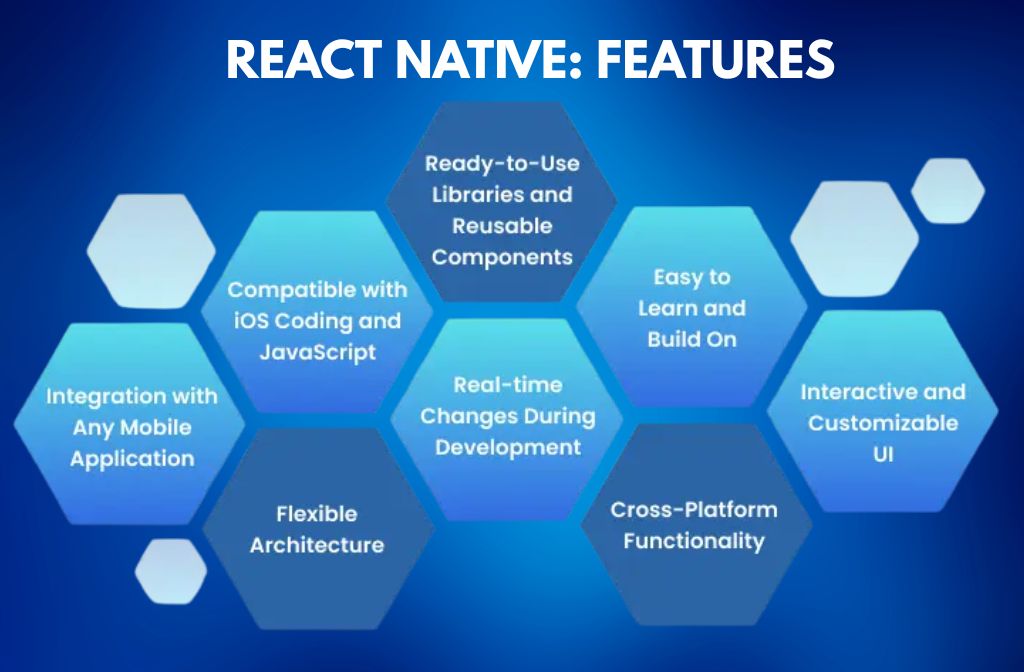
    React Native Features

    Facebook-supported React Native uses JavaScript to create cross-platform applications that feel and look native. It is perfect for quick growth because of its connection with Expo and strong community support.

    ToolSupported PlatformsLanguagesKey FeaturesBest For
    FlutteriOS, Android, WebDartHot reload, rich widget library, native performance, Skia graphics engineComplex UI, fast prototyping
    React NativeiOS, Android, WebJavaScript, TypeScriptHot reloading, Expo integration, reusable components, large communityJavaScript developers, rapid dev

    Flutter vs React Native in 2025

     When deciding on Flutter or React Native in 2025, take into account:

    • Flutter: Most suitable for custom, visually demanding UI designs that deliver consistent performance across all platforms. If you want to build an app that pops—Flutter’s your ticket. Its Dart-based environment may necessitate learning, however, it provides exact control.
    • React Native: Best-loved by teams that have JavaScript skills and want to develop prototypes quickly and use a huge library ecosystem. It is best suited for apps that are going to combine with web codebases.

    Hybrid App Development Tools

     Hybrid app development tools are a combination of native and web technologies, allowing apps to operate not only as PWAs but also as mobile apps. Such tools are a compromise between performance and development speed. 

    Ionic: Flexible and Web-Friendly

    Ionic is a flexible hybrid app development tool that supports Angular, React, and Vue.js and is based on Apache Cordova. Native functionality is made possible via its Capacitor plugin and user interface elements.

    Xamarin: Microsoft’s C# Solution

    Xamarin, which is also tied up with Visual Studio, employs C# to create cross-platform applications that can share code for up to 90% reuse. It is best suited for .NET developers who want to get native API access.

    ToolSupported PlatformsLanguagesKey FeaturesBest For
    IoniciOS, Android, WebJavaScript, TypeScriptCapacitor for native access, UI component library, PWA supportPWAs, web developers
    XamariniOS, Android, WindowsC#Xamarin.Forms, native API access, Visual Studio integration.NET developers, enterprise apps

    App Prototyping Tools

    App Prototyping Tools

     App prototyping tools help confirm concepts and improve user journeys without investing in complete development. They are a must-have for visualizing functional mockups.
    Figma: Collaborative Design Powerhouse

    Figma Collaborative Design Powerhouse

    Figma is a cloud-based UI/UX design tool for mobile apps that allows for interactive prototyping and real-time collaboration for mobile apps. Figma’s got plugins that’ll pretty much fast-track your Design-to-code. Saves a ton of hassle.

    Adobe XD: Streamlined Prototyping

    Adobe XD Streamlined Prototyping

    To design engaging mobile experiences, Adobe XD is the best tool because it simplifies the wireframing and prototyping process by utilizing features such as auto-animate and cloud-based sharing.

    ToolKey FeaturesBest For
    FigmaReal-time collaboration, interactive prototypes, plugin ecosystemTeam collaboration, cross-platform
    Adobe XDAuto-animate, cloud sharing, Creative Cloud integrationDesigners in the Adobe ecosystem

    UI/UX Design Tools for Mobile Apps

    Creating intuitive interfaces is key to user retention. In 2025, UI/UX design tools for mobile apps focus on seamless design-to-development handoffs.

    Sketch: macOS Design Leader

    Sketch is perfect for designing iOS apps that adhere to Apple’s specifications because it provides symbol-based design for reusable user interface components.

    Zeplin: Design-to-Development Bridge

    Zeplin carries out the process of designing style guides and code snippets, which help in maintaining consistent design across various platforms.

    ToolKey FeaturesBest For
    SketchSymbol-based design, plugin library, export to CSS/SVGiOS app design, scalable UI
    ZeplinAutomated asset generation, code snippets, Figma/Sketch integrationDesign handoff, team workflows

    App Development Trends in 2025

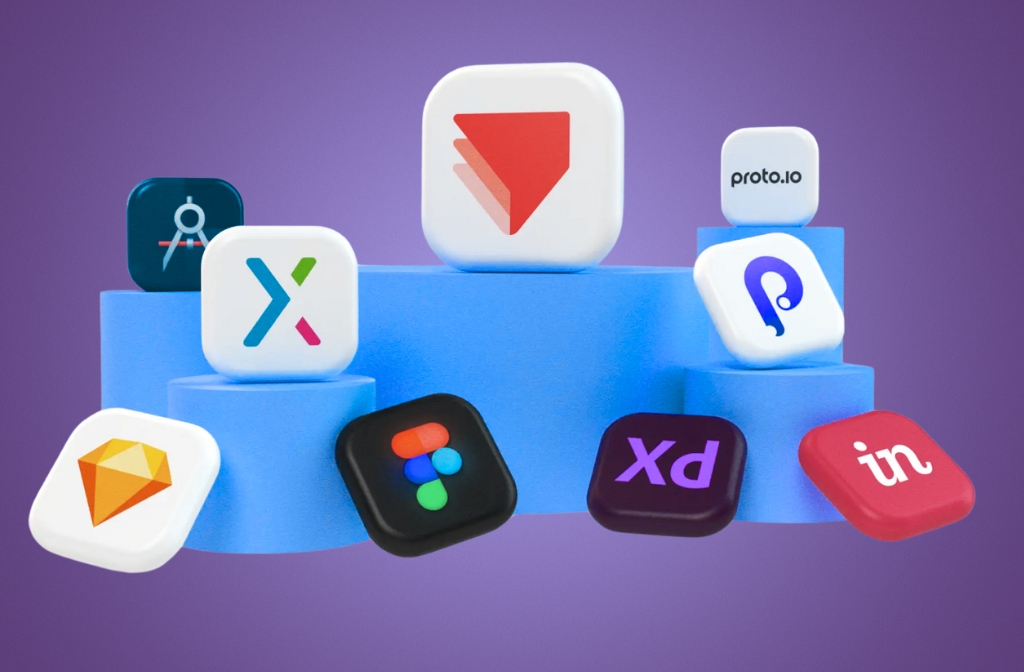
    app development tools in 2025

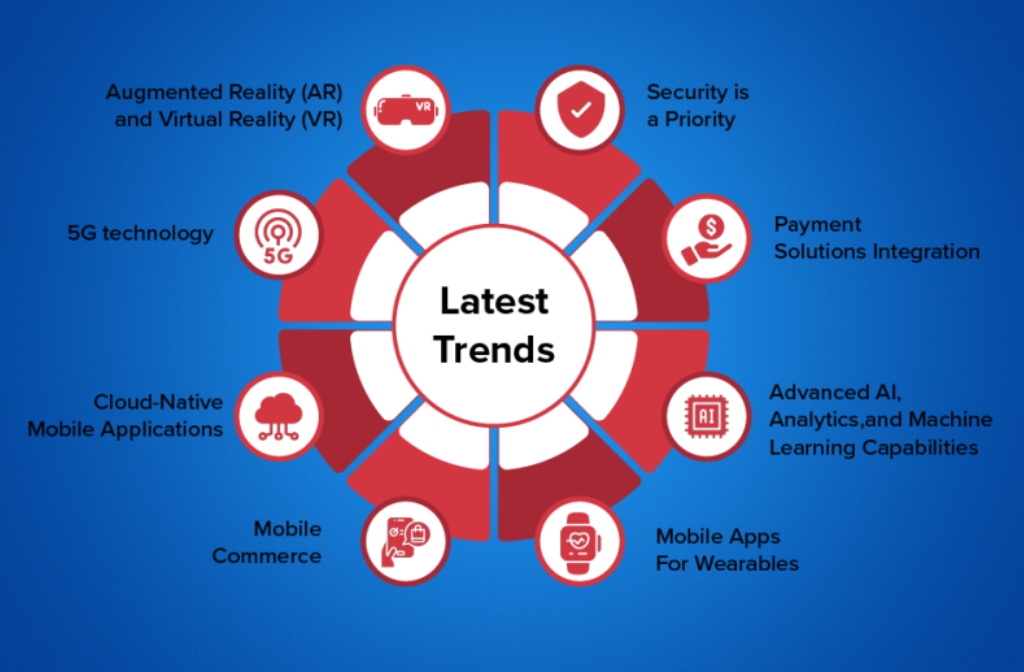
    The app development trends 2025 point out AI-powered functionalities, AR/VR fusion, and low-code environments. Such technologies as Vuforia for AR and Appy Pie for no-code are on the rise. BuildFire.js is an open-source app development that provides low-cost customization, and PWAs are still gaining ground.

    How to Choose the Right App Development Tool

    The choice of software for mobile app development 2025 is influenced by these tools. Here’s the lowdown:

    • Project Scope:utilizing cross-platform (Flutter, React Native) tools for multi-platform reach; native tools (Android Studio, Xcode) for platform-specific apps.
    • Team Skills: Don’t make your JavaScript wizard mess with C#. Delegate the appropriate tools according to the skills of the employees (e.g., C# for Xamarin, JavaScript for React Native).
    • Budget: Paid platforms like Ionic may offer more features, but open-source app development tools like Flutter are cheaper.
    • UI/UX Needs: For heavily design-oriented projects, utilize app prototyping tools such as Figma.
    • Scalability: Make sure tools are capable of accommodating not only today’s but also future changes in the platform.

    Final Verdict

    Always select the top mobile app development company in Texas. The best tools for mobile app development in 2025 enable developers to produce high-quality apps with great time efficiency. The list of tools includes native app development solutions such as Android Studio and Xcode, cross-platform app development tools such as Flutter and React Native, and hybrid app development tools such as Ionic, which cater to diverse needs.

    App prototyping tools and UI/UX design tools for mobile apps, e.g., Figma and Zeplin improve cooperation and design quality. By combining your selection of app development trends 2025 and project requirements, you are able to develop apps that fascinate users and prosper in a fiercely competitive market.  Choose smart, and maybe—someone will actually use what you build.

    FAQs:

    Which will be the best tools for mobile app development in 2025?

    Flutter, React Native, Android Studio, Xcode, and Ionic are the leading names in the mobile app development sector, and they are still unbeatable in terms of features for developing native, cross-platform, and hybrid apps.

    What is a good cross-platform app development tool for those who are at the beginning stage?

    React Native is considered to be good for beginners due to its JavaScript, big community, and the possibility to use Expo, which allows creating quick iOS and Android apps.

    What is the difference between Flutter and React Native in 2025?

    While React Native, which is best suited for JavaScript developers, offers quicker development and wider library support, Flutter shines at custom user interface and performance.

    Can you name the best tools for UI/UX design of mobile apps?

    Undoubtedly, Figma and Adobe XD are the most popular software in their niche. Both provide excellent collaboration functionalities, which allow for easy prototyping and debugging as well as seamless integration with development frameworks like Flutter.

    What are the benefits of open-source app development tools in 2025?

    Open-source utilities like Flutter and BuildFire.js not only provide budget-friendly, customizable solutions with vibrant community support but also empower you to develop scalable and cost-effective apps.

  • How to launch a Pet Care App in 2025 Detail Insight

    How to launch a Pet Care App in 2025 Detail Insight

    The pet care app market is booming, as pet owners turn to technology more and more to make sure their pets get only the best. The global pet industry 2025 is predicted to grow to $300 billion by 2030, with pet care mobile solutions being one of the main drivers. Thanks for mobile app development services provided by leadings tech companies. These mobile apps for pet owners not only allow them to keep track of their pet’s health, book services, and place orders, but also to better manage their time and get a good night’s sleep. In case you are thinking of going into pet care app development in 2025,

    This guide will give you a rundown of the key pet care app features, the types of Pet Wellness apps, and the cost to build a pet solution care app that is easy to use and meets the requirements of the users.

    Why Invest in Pet Care App Development 2025?

    Pet care apps are no longer a fad—they are the lifeline of pet owners who have pets as their extended families. Industry statistics show that 70% of households in the U.S. have a pet, and 86% of them choose to buy pet products electronically. This greatly increases the demand for pet care mobile solutions.

    Such applications cover all the tasks that would otherwise have to be done manually, such as setting an appointment with a veterinarian, monitoring the pet’s health status, and ordering food – this not only saves time but also improves the wellness of the pet.

    By 2025, the pet tech industry, which is fueled by IoT and AI innovations, is expected to cross the $20 billion mark as per PR Newswire. If you’re thinking about jumping into pet care apps, do it now.

    Market Growth and Opportunities

    The pet care app market is estimated to expand at a CAGR of 17.50% between 2024 and 2032, with a value of $2.5 billion. This increase is driven by the trend of pets becoming more human-like, where owners go for premium health and wellness products only. You can also monetize your pet application through subscription models, in-app purchases, and partnerships with pets care brands, thus guaranteeing a high ROI.

    Types of Pet Care Applications

    Understanding the different types of Pet Services app is essential before proceeding with the steps of how to build a pet healthcare app. Each kind of app is designed to serve the specific needs of users, such as health monitoring or receiving services on demand. Here’s the rundown on the hottest categories right now:

    Type of ApplicationsDescriptionExamples
    Pet Health Tracking AppTracks metrics like weight, vaccinations, and conditions, often integrating with wearables.FitBark, 11pets
    On-Demand Pet Services AppConnects owners with dog walkers, sitters, or groomers for instant booking.Rover, Wag
    Pet Food Delivery AppEnables ordering pet food and supplies with delivery tracking.Chewy, Petco
    Veterinary App DevelopmentFacilitates virtual vet consultations, appointments, and record management.Airvet, Banfield
    Pet Training AppOffers video tutorials, training tips, and progress tracking for pet behavior.Puppr, Dogo App
    Pet Social Networking AppAllows owners to connect, share photos, and find pet-friendly locations.BarkHappy, Petamiko

    Each type is designed to relieve specific pain points. Thus, selecting the appropriate one relies on your audience and objectives. As an example, a pet health tracking app fits perfectly with owners whose pets have chronic conditions. On the flip side, an on-demand pet services app? That’s perfect sense for busy professionals.

    Must-Have Pet Care App Features

    Developing a pet care application that really impresses requires pet care solution features that satisfy user needs in terms of features and ease of use. Necessary and innovative features for pet care mobile app development in 2025 are given below:

    Essential Features

    FeatureDescriptionUser Benefit
    Pet Profile CreationCustomizable profiles for multiple pets, including breed, age, and medical history.Organizes all pet information in one place.
    Pet Care Reminders and AlertsNotifications for vaccinations, feeding, and vet appointments.Ensures timely care and prevents oversight.
    Document StorageSecure storage for vet records, ownership papers, and prescriptions.Easy access to critical documents anytime.
    Real-Time Tracking in Pet Care AppsIntegration of GPS in Pet Apps for pet location and activity monitoring.Provides peace of mind for owners.
    Appointment SchedulingBook vet, grooming, or training appointments directly in the app.Saves time and simplifies planning.

    Advanced Features

    FeatureDescriptionUser Benefit
    Integration of GPS in Pet AppsGeofencing and location history for real-time tracking in pet caring apps.Alerts owners if pets leave safe zones.
    AI-Powered Health InsightsAnalyzes pet data for personalized health and diet recommendations.Enhances preventive care.
    Telemedicine IntegrationConnects owners with vets for virtual consultations via veterinary app development.Convenient access to expert advice.
    In-App ChatEnables communication with service providers or other pet owners.Improves collaboration and support.
    E-Commerce IntegrationAllows purchasing pet supplies within the pet food delivery app.Streamlines shopping for pet needs.

    These pets care app features ensure a smooth pet caring apps UI/UX design, which in turn makes the app user-friendly and interesting. These features make the pets solution care app feel smooth and easy, like you barely have to think about it. To illustrate, real-time tracking in pet animal care apps, enabled by IoT, facilitates remote monitoring, and at the same time, AI-based insights tailor the experience to the user.

    Technology Stack for Care Applications

    Choosing the reliable mobile app development company in Texas for pet wellness care apps is critical for a scalable pet care app architecture, performance, and cost-efficiency. Here’s a recommended stack for pet care mobile app development 2025:

    ComponentTechnologyPurpose
    FrontendReact Native Pet Care App, Flutter for Pet app wellbeingCross-platform pet care mobile app development for iOS and Android.
    BackendNode.js, DjangoPet wellbeing app backend architecture for data management.
    DatabaseMongoDB, FirebaseStores pet profiles, medical records, and user data.
    APIsGoogle Maps API, Payment GatewaysEnables integration of GPS in pet apps and secure transactions.
    CloudAWS, Google CloudEnsures scalability and data security.
    AnalyticsGoogle Analytics, Firebase AnalyticsTracks user behavior and app performance.

    In the context of cross-platform mobile app development, a  Flutter for Pet Support care app or a React Native app development pet care app enables not only time-saving but also cost-effective development of a pet care mobile app. A solid Pet Support app backend architecture, such as Node.js with MongoDB, is designed for real-time data processing and is easily scalable.

    How to Build a Pet care mobile Application

    Developing a pet care mobile app involves a thoughtful plan to address customer requirements and create a unique product in the market. Here is a step-by-step guide on how to build a pet care mobile app:

    1. Market Research: Analyze user needs, competitors, and trends in pet care mobile app development 2025. Identify gaps in apps like Rover or Petco.
    2. Define App Type and Features: Choose the type (e.g., pet health tracking app or pet food delivery app) and prioritize pet care app features based on user intent.
    3. Design UI/UX: Create a user-friendly pet care mobile app UI/UX design with intuitive navigation and familiar design patterns. Make it so a tired pet parent can open the app at 2 am and not get lost.
    4. Select Technology Stack: For cross-platform pet care mobile app development that is affordable, choose a Flutter for pet care app or a React Native pet care mobile app. You get iOS and Android with one codebase. Saves money, saves headaches.
    5. Develop MVP: To test the market’s reaction and get input, create a minimum viable product with essential functionality.
    6. Integrate Advanced Features: Add real-time tracking in Pet Support care apps, AI insights, and telemedicine based on feedback.
    7. Test and Launch: Make sure everything is functioning properly and free of errors before launching on the iOS and Android platforms. Nobody wants an app that crashes if you tap too fast.
    8. Post-Launch Maintenance: The real work starts. Keep an eye on what users say, read those app store reviews, and keep making the app better. Rinse, repeat, and don’t let it get stale. To release updates and enhance functionality, collect feedback via surveys and analytics.

    Cost to Build a Pet Support Care App

    The cost to build a pet support care app in 2025 varies based on features, complexity, and team location. Below is a breakdown of estimated mobile app development cost 2025:

    App ComplexityFeaturesCost RangeDevelopment Time
    BasicPet profiles, pet care reminders and alerts, basic tracking$15,000 – $30,0002-4 months
    MediumIntegration of GPS in pet apps, document storage, and in-app chat$30,000 – $75,0004-6 months
    AdvancedAI insights, telemedicine, e-commerce integration$75,000 – $150,000+6-12 months

    Factors Affecting Pet App Development Cost

     Various factors affecting pet app development cost that have an impact on the pet care mobile app cost include:

    • Feature Complexity: Complex features such as live tracking in a pet care app provide a higher cost if the app is integrated with AI.
    • Platform Choice: Developing a cross-platform animal well-being app (using Flutter for a pet wellbeing app or React Native pet solutions app) is less expensive than native in most cases.
    • Development Team Location: Usually mobile app developers in Texas charge $50-$150/hour, whereas Asian developers are expected to charge $20-$50/hour, therefore, rates differ.
    • UI/UX Design: Pet care app UI/UX design that is tailored to the app contributes to the cost but it also increases the user engagement.If you want your app to look pretty and not like it crawled out of 2012, custom UI/UX isn’t optional.
    • Maintenance: Periodic updates and server expenses contribute 15-20% of the initial pet care app development cost every year.

     For an exact estimate, get quotes from pet care app development companies that have pet tech experience.

    Challenges in Pet Care App Development 2025

    Developing a pet care app faces obstacles that need a well-thought-out strategy:

    • Data Security: Pet well-being app store confidential data like vet records, thus high-grade encryption must be used in order to avoid illegal accesses.
    • IoT Integration: Due to compatibility problems, it may become difficult to connect the devices with the application.
    • User Retention: The number of competitors is increasing; therefore, in order to keep the users, there is a need for constant updating and personalized Pet Health app features.
    • Balancing Cost and Functionality: Incorporating more sophisticated features in a Pet Health mobile app can be very costly. The fancier you get, the more it’s gonna cost. Not everybody wants to drop big bucks on pet tech thus it is important to keep it at a reasonable price for the users who are price sensitive.

    collaboration with professionals can make sure that the pet application has a good structure and also Pet Health app UI/UX design is user-friendly.

    Final Verdict

    Launching a pet care app in 2025 is an opportunity full of potential and the right time to engage the pet technology market that is on an upward trend. If you want to enable a mobile application for pet owners which is of value, you need firstly to concentrate on user-centric Pet Health app features such as tracking in real time in Pet Health apps, Pet Health reminders and alerts, as well as AI-driven insights.

    It doesn’t matter if you decide to go with a pet health tracking app, on-demand pet services app, or pet food delivery app, understanding the types of apps, Pet Health app features, and the cost to build a Pet Health app is the key. If you possess a right technology stack for Pet Health applications such as Flutter for pet care app or React Native app development cost for pet care, and at the same time, you have a strategic approach, your application will still be able to survive. Go with the MVP, collect feedback, then increase advanced features to have success in the long run.

    FAQs

    1. What would be the price of a pet care app development in the year 2025?

     The cost to build an app with the following features can be from $15,000 and up: simple app to advanced app having AI insights and telemedicine over $150,000.

    2. What are the most vital features of a pet application? 

    Alright, so the must-haves: the pet profiles, the pet care reminders and alerts, the document storage, and the real-time tracking are the necessary features.

    3. What tech stack for pet apps is the most suitable? 

    Flutter for a pet support app or React Native pet solution app for the development of cross-platform pet well-being app. Basically, those choices make your app fast, scaleable, and less likely to crash when a million people decide to track their cats at once.

    4. How much time is required to create a pet app? 

    Don’t expect it overnight. A basic version might take 2-4 months. whereas a complicated application with advanced pet care features might require 6-12 months.

    5. What makes these applications an attractive investment? 

    Mobile applications for pet owners are becoming the preferred way to satisfy the ever-growing need for on-demand pet care solutions. Pet parents want everything on their phones now—from booking a groomer to checking if their cat’s eaten lunch.

  • Top 10 Tech Companies in Houston You Should Know in 2025

    Top 10 Tech Companies in Houston You Should Know in 2025

    Houston continues to innovate in the tech industry, which has put the city in a position. As a key player in the Texas tech ecosystem. The city is expected to reach its highest technology industry in Houston growth peak in 2025. Tech companies in Houston. With this surge in Houston technology companies leading the charge in the innovation sector.

    Houston has become synonymous with technological innovation. With the availability of custom software development in Houston. As well as the presence of leading technology startups Houston-based SaaS companies.

    According to Houston Exponential, the city saw an astounding concentration of fledgling businesses in 2021, which helped to fuel an astounding total of 151 venture capital deals totaling less than $5 million.

    This piece identifies and explains the best 10 tech companies in Houston you need to know in 2025. Shedding light on their flagships that impact Houston’s tech growth in 2025. And also, the fact that they define the future of the Houston tech scene.

    Why Tech Companies in Houston are Booming in 2025

    The Houston tech Scene is undergoing a time of immense growth. with numerous job postings and venture capital investments. That have almost tripled to $750 million in amount, an increase of 45.6% year over year.

    The flourishing Texas tech ecosystem is the nurturing ground. For more than 4,000 startups. And 8,000+ job opportunities every year. thus, Houston is the center of attention for the osmosis of cyber skills.

    Business-friendly policy in Houston, no local income tax, and emphasis on Houston’s digital transformation. Create the perfect landscape for startups and tech companies in Houston.

    The highest-rated IT firms in Houston are at the forefront of transformative AI, data analytics. And custom software development in Houston.

    With an increase of 32% in the AI implementation. The top-rated IT companies in Houston have become leaders in AI, data analytics, and custom software development.
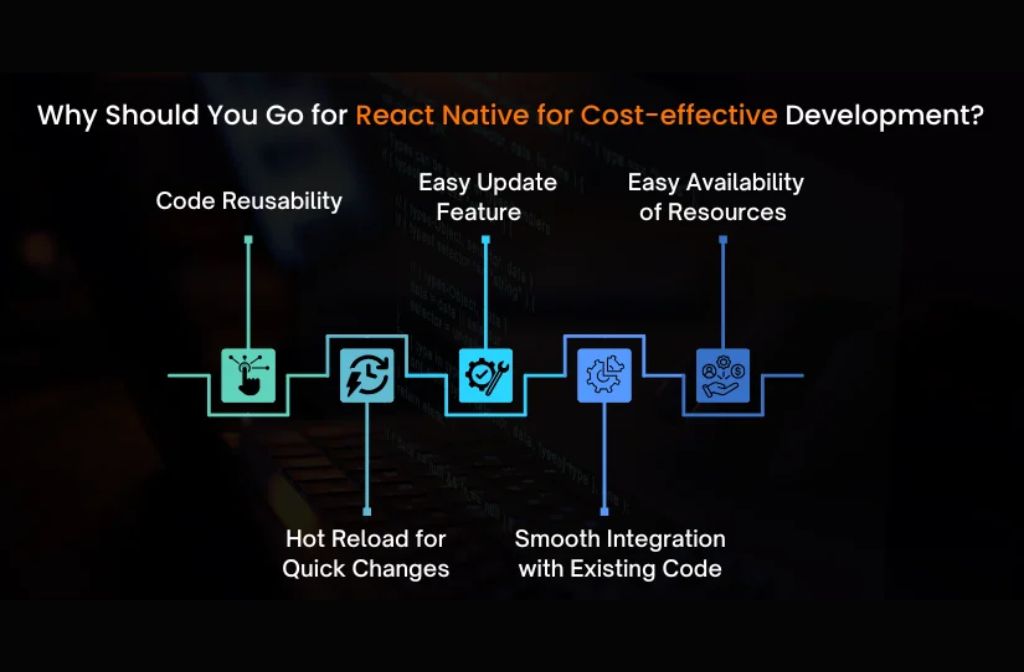
    Top 10 Tech Companies in Houston for 2025

    Below we have a list of the top 10 tech companies in Houston. which are leading the  technology industry in Houston. With innovative solutions and really big tech investment opportunities in Houston

    1. Apps Cre8ve: Revolutionizing Mobile App Development

    Revolutionizing Mobile App Development

    Apps Cre8ve is a top player in the  Houston tech scene. With its expertise in forward-thinking mobile and web application development. The leading mobile app developer in Houston  that can also bring your on-demand app idea come into life.

    The Apps Cre8ve has been very innovative in its IT services by Hire Software Developers. And this makes the firm very outstanding among other Tech Companies in Houston.

    Tech entrepreneurs who desire to work with app developers in Houston will find Apps Cre8ve. Being one of the top choice companies to join by app development software industry in Houston. To get off the mark in digital scene.

    2. Solugen: Pioneering Sustainable Technology

    By developing environment-friendly and bio-based products, Solugen has come up with an entirely new way to carry out chemical manufacturing.

    Called one of the best startups in Houston. Solugen makes use of both biotechnology and AI technology. To invent environment-friendly chemicals, which makes the city very attractive for tech investment opportunities in Houston

    This startup is really a technology industry in Houston. And gives engineers and data scientists who are highly interested in the green cause a promising future.

    3. ChaiOne: Leading Digital Transformation

    ChaiOne is a company that focuses on custom software development in Houston that including equipment, manufacturing, and transportation.

    The top-rated IT company in Houston is very good at providing people with user-oriented applications. And therefore becomes one of the most important factors of Houston’s tech growth by 2025.

    ChaiOne’s presence in the field of Houston digital transformation leads. It to be one of the top 10 tech companies in Houston for professionals who work on projects with impact.

    4. HighRadius: Innovating Fintech Solutions

    HighRadius is a Houston-based SaaS company leveraging its AI-based platform. To take the accounts receivable and treasury management sector by storm.

    Being at the forefront of the Houston tech scene, HighRadius provides great chances for tech talent in the Texas tech ecosystem as it serves many global enterprises.

    The impact that it is having on Houston’s tech growth by 2025 means it will become one of the top tech firms in Houston has to look out for.

    5. Systel Inc.: Advancing Rugged Computing

    Systel Inc. is a trailblazer in rugged computing solutions for defense and industrial applications. This software company in Houston designs high-performance hardware and software for extreme environments, solidifying its place in the technology industry in Houston.

    For engineers and developers, Systel offers a unique niche within the top 10 tech companies in Houston.

     Systel Inc. is a pioneer in military electronics hardware and software for defense and industrial applications. This software company in Houston, this corporation creates fully capable computer systems and associated application software for harsh environments.

    Thus, it is well known in the downhole technology industry in Houston. In terms of engineers and developers, Systel is one of the top 10 tech companies in Houston region, with a special offering for them.

    6. NeuroBell: Transforming Healthcare Technology

    NeuroBell is a healthcare company from Houston that has AI-powered neonatal EEG monitoring technology and is attracting attention in healthcare.

    The product enables hospitals to improve the treatment process. Houston is quickly moving towards its peak in technology utilization. The top-rated IT company in Houston is looking to launch the system in 2025.

    The groundbreaking technology instills hope for Houston’s tech growth in 2025 and solidifies the city as the flag bearer in the Texas tech ecosystem.

    7. PROS: Optimizing Business Performance

    The PROS provides AI-powered selling and pricing solutions that enable companies to maximize profits. PROS, a seasoned member of the Houston tech scene, is a major force in the Houston-based SaaS companies. It is a great option for people looking for positions in Tech Companies in Houston because of its emphasis on digital transformation.

    8. Driving IT Innovation Through BMC Software:

    BMC Software is one of the world’s leading players in IT management, which creates no-exception software that can help businesses achieve their full potential. BMC, a software company in Houston, is one of the most prominent tech companies in Houston, and they are also leading in custom software development in Houston.

    The company’s determination to be one of the most innovative technology companies is what made it the top 10 for 2025 in Houston.

    9. Axiom Space: Pioneering Space Technology

    With its goal of constructing the first commercial space station in history, Axiom Space is pushing the envelope in Houston’s innovation community. This Houston business, which is a leader in aerospace technology and works with NASA, provides unmatched chances in the Texas tech ecosystem.

    Among top tech firms in Houston, Axiom Space stands out for its contribution to Houston’s tech growth by 2025.

    10. Simublade: Mastering Mobile App Development

    Simublade is a leading mobile app developer in Houston that develops groundbreaking and revolutionary apps for small businesses as well as giant corporations. Not only for that, the company’s existing solution, Houston’s user-friendly design, is also one of the reasons it’s considered a top choice by users among the top 10 tech companies in Houston.

    The fact that Simublade has participated in the Houston tech community is the reason why it has become one of the top 10 tech companies in Houston.

    The Role of Houston’s Tech Ecosystem in 2025

    The positive force behind the mobile app development company in Houston and tech industry has been cooperation among Houston startups, universities, and big players such as NASA and the Texas Medical Center.

    The development in medical billing Software around Houston’s technology field gets its potency from this synergy to take it Houston’s tech growth by 2025, making all these the best environment for Houston technology companies.

    An increase of 35% in investment plus the number of over 250 startups that were launched in 2023. Which make the Houston tech industry a very fruitful place for tech investment opportunities in Houston.

    Career Opportunities in Houston’s Tech Industry

    For tech professionals, top tech firms Houston offer diverse roles in AI, data science, and custom software development. The Houston tech scene boasts 15% higher-than-average salary growth, with companies like Citadel offering entry-level salaries from $225,000 to $300,000.

    Top-rated IT companies in Houston prioritize workplace culture, remote work options, and mentorship programs, making the city a prime destination for career growth in the technology industry in Houston.

    Numerous positions in AI, data science, and custom software development are available to IT experts at leading tech companies in Houston. Entry-level positions in the Houston IT sector range from $225,000 to $300,000, with firms like Citadel offering 15% higher-than-average income growth.

    Highly-rated IT companies in Houston are a top location for career advancement in the technology sector. They place a high value on mentorship programs, remote work choices, and workplace culture.

    Why Invest in Houston Tech Companies?

    Investors are flocking to Houston technology companies due to the city’s low cost of living and robust Texas tech ecosystem. The Houston tech scene offers tech investment opportunities in Houston across AI, healthcare, and renewable energy.

    With venture capital tripling to $750 million, Houston startups like Solugen and Entera are driving significant returns, making 2025 a pivotal year for Houston’s tech growth 2025.

    Because of the city’s low cost of living and thriving  Houston tech scene, investors are swarming to Houston technology startups. AI, healthcare, and renewable energy are among the major tech investment opportunities in Houston due to the city’s thriving innovation ecosystem.

    2025 is a crucial year for Houston’s tech growth because of the substantial returns being generated by Houston businesses like Solugen and Entera, whose venture money has tripled to $750 million.

    Final Verdict: Houston’s Tech Future is Bright

    The top 10 tech companies in Houston are the ones that are generating the technology industry in Houston with innovative staples. From Houston-based SaaS companies like HighRadius to the best leading mobile app developers in Houston, like Simublade, these companies are the ones that are giving life to Houston’s digital transformation.

    As the Houston tech scene continues to boom, 2025 is certain to be a year of massive change for Houston technology companies, ushering in extraordinary possibilities for professionals as well as investors.

    No matter whether you’re looking to start a career in custom software development in Houston or are interested in tech investment opportunities in Houston, these companies are taking the lead and being the first in the Texas tech ecosystem.

    FAQS:

    Which top tech companies in Houston should you keep an eye on in 2025?

     Houston’s got some serious contenders. Keep your radar locked on Apps Cre8ve, Solugen, and HighRadius. They’re stirring things up in AI, fintech. Not just the usual suspects—these companies are making real waves.

    Why are there so many tech startups popping up in Houston? 

    Houston’s like a cheat code for founders. No state income tax means more cash to deal with. There’s an ecosystem for startups, especially in AI, healthcare, and mobile app development.

    Which sectors are the focus of tech companies in Houston?

    Houston tech businesses provide a wide range of solutions for startups with expertise in AI, fintech, healthcare, aerospace, and custom software.

    How can I locate IT jobs in Houston?

    The city’s got options. Examine chances with top companies that provide positions in data science, software development, and IT services.

    Why do investors find Houston’s tech scene appealing?

    It is cheaper to live there than in other places. Which shows that there is a lot of success in the start-ups of the city, especially in AI and renewable energy.


  • React Native App Development Cost Breakdown 2025

    React Native App Development Cost Breakdown 2025

    Want to be the creator of a powerful mobile app in 2025? The React Native app development cost is a current question among companies planning to bring out cross-platform apps at a reasonable cost. Reached an impressive $935.2 billion in market value by the year 2023.Using the React Native framework, you can design high-performance application software for both iOS and Android platforms with a single codebase.

    This Blog outlines the cost required for React Native App Development, the hottest trends, and ways to save on the budget. Let’s go through it!

    Overview Of React Native App Development Cost

    Why is React Native App Development Cost the way it is? Various things affect this, such as app complexity, features, and the expertise of the React Native App Development Company. Generally, the price of an app can range from $15,000 to $100,000 +, but you can take them apart to budget more wisely.

    Key Factors Affecting React Native App Development Cost

    The following factors will affect React Native Development Cost in 2025:

    1_App Complexity

    The React Native Development Cost is higher when using complex apps (e.g., e-commerce or social media platforms) than with simple apps (e.g., calculators), for instance. This is the result of the long coding and testing time that accompanies complexity.

    2_Features and Functionality

    Using features like push notifications, APIs, or AR integration could lead to the React Native App Development Cost skyrocketing. Custom React Native App Development Services can provide you with solutions to the platform’s capabilities and your specifications.

    3_Design Requirements

    The React Native App Development Cost is impacted by the time and talent required for a sleek UI/UX. Detailed animations are more expensive than minimalist designs.

    4_Development Team Rates

    How the services of a React Native App Development Company are hired might be quite different in various parts of the world. Below is the price comparison:

    RegionHourly RateProsCons
    North America$50-$150High expertise, fast deliveryHigher costs
    Europe$30-$100Quality work, diverse skillsModerate costs
    Asia (e.g., India)$15-$50Cost-effective, large talent poolTime zone challenges

    5_Maintenance and Updates

    Once the app has been launched, the cost of react native mobile app development will be the payment for the support service (10-20% of the initial budget per year) related to the removal of glitches, bug fixes, and the installation of updates.

    React Native vs. Flutter: Cost Comparison

    React Native vs. Flutter: Cost Comparison

    How does the React Native App Development budget compare to that of Flutter? Although both frameworks are cross-platform, their prices differ:

    FrameworkCost RangeStrengthsWeaknesses
    React Native$15,000-$100,000Fast development, large communitySlightly slower performance
    Flutter$20,000-$120,000Superior UI, faster renderingSmaller community

    Pro Tip: If you want to have a quick entry into the market and save money, just go for React Native App Development Services.

    React vs. React Native: What’s the Cost Impact?

    Are you unclear about the difference between React and React Native? Let’s clear it up: React is meant for you to build web applications, and React Native is used to develop mobile-first applications. The React Native Development Cost is higher as it requires the utilization of mobile features like native integrations. Nevertheless, the use of React code can make it possible to reduce costs by approximately 20-30%.

    How to Minimize the Cost of Developing React Native Apps

    React Native For Cost-effective Development

    Want to develop Native Mobile Apps for the scalable business growth??

    Willing to decrease your budget related to React Native App Development? Look into the following 5 tips:

    • MVP Approach: Release a minimum viable product with the basic functionalities to test the market.
    • Outsource Smart: Connect with a cost-effective React Native App Development Company in the USA.
    • Use Pre-Built Libraries: To expedite development, the React Native Framework provides libraries.
    • Plan Thoroughly: Costly revisions are minimized by well-defined criteria.
    • Stat Alert: By beginning with an MVP, 70% of startups reduce the React Native App Development budget (Forbes, 2024).

    Choosing the Right React Native App Development Company

    Your React Native App Development Company functions as the central factor in controlling the React Native App Development budget. Search world-class react native app developers for:

    • Experience: A track record of successful React Native App Development Services.
    • Transparency: Explicit timelines and cost breakdowns.
    • Support: Scalability and post-launch upkeep.
    • Fun Fact: Instagram and Airbnb, etc, entrust their apps’ “smoothness” to the React Native Framework.

    Final Verdict

    Mastery of the React Native application development cost in 2025 is about strategy and wise selections. By figuring out what determines the cost, by contrasting React Native vs. Flutter, and by making use of React Native App Development Services, you can develop a great app while staying within budget that too without overdoing it. The idea of starting a project is bugging you? Make your app idea a reality by getting in touch with a leading React Native app development company!

    FAQs

    What factors affect the React Native App Development Cost in 2025?

    App complexities, along with features and design specifications, and the composition of development teams and upkeep phase expenses range from $15,000 to $100,000.

    What is the difference between Flutter and React Native?

    The faster and more affordable solution comes from React Native, but Flutter provides superior User Interface components, though it requires higher development spending.

    Can I lower the cost of developing an app?

    Yes, make advantage of pre-built React Native libraries, outsource to cost-effective locations, and employ an MVP.

    Which factors influence why Companies should opt for React Native development?

    Experienced firms provide excellent quality alongside transparent operations and maintenance services to build scalable, high-performance applications.

    What is the annual cost of app maintenance?

    Maintenance, which includes bug repairs, upgrades, and performance adjustments, costs 10–20% of the original production cost.

  • Top 10 Spooky Halloween Apps You Can Not Miss in 2025

    Top 10 Spooky Halloween Apps You Can Not Miss in 2025

    Halloween has become so much more than just costumes and candy. It has now evolved into an all-out immersive experience, with all sorts of thrilling tech-driven stuff that can be found only here! Are you planning a party, searching for family-friendly activities to do, or just wishing to get into the Halloween spirit this Halloween? From Halloween apps for adults to Halloween apps for kids, we have you covered. Without further ado Let’s explore the top 10 apps that you simply must have!

    Why Halloween Apps Are a Must-Have in 2025

    No longer just a novelty. Shift from Halloween apps being a thing of the past to become a new unavoidable reality’s for those people who are determined to have an ultimate adrenaline-rushing Halloween experience. Through frightening-the-spider-away technology and Halloween apps for adults, parent partnerships are those that engage in creativity, etc. There are Halloween apps free download communities and premium options — the possibilities are endless.

    Hauntify AR

    Hauntify AR turns your home into a haunted mansion or your backyard into a graveyard that will scare the life out of anyone with bone-chilling AR effects. The best Halloween app for adults who enjoy augmented reality. A must-download, whether you have a party or want some solo scares.

    Spooky Sounds Pro

    Need something to create the right ambiance? Get the Spooky Sounds Pro app and hear all the creepy sound effects like a door creaking or a ghost whispering in your ear. It’s among the best Halloween apps free download options available that help create a spooky environment.

    Monster Maker Kids

    Monster Maker Kids is a Halloween app for kids that is both fun and creative. With this app, the little ones can create their monsters and even make them seem more funny with cute animations and sounds. It’s a wonderful way to entertain kids and ignite their imaginations too.

    Zombie Run: Survival

    Zombie Run: Survival is a fright-filled Halloween app for Android and iOS users. What else is left? This workout app transforms your routine jog into a zombie apocalypse escape plan. So run, dodge, and avoid the undead to stay fit — it’s a win-win!

    Pumpkin Carver Pro

    The Pumpkin Carver Pro is the best choice for those people who are passionate about Halloween and want to do some pumpkin carving but do not want to deal with a mess. This app enables you to create and virtually carve pumpkins using a realistic 3D effect. You can either show your friends your creations or use them as a guide for actual carving.

    Ghost Radar: Legacy

    Legacy is a Halloween app for adults with a passion for scare but that also detects paranormal activity. Surrounded by both skeptics and believers, this app is guaranteed to add some fun to the usual Halloween night.

    Trick or Treat Tracker

    Planning a trick-or-treat route? Trick or Treat Tracker is a Halloween app for kids and parents that maps out the best neighborhoods for candy hunting. It also includes safety features like real-time location sharing.

    Horror Movie Trivia

    Horror Movie Trivia Test your knowledge of classic and modern horror films. This Halloween app for adults is made for movies and partying. Test your buddies and find out who puts the fright into fright night!

    Costume Creator AR

    Still deciding on a Halloween costume? Costume Creator AR is an augmented reality service that allows you to virtually try on hundreds of costumes. One of the best Halloween apps free download options available.

    Scary Stories: Midnight Tales

    Listen close as the book of nightmares opens on Scary Stories: This Halloween app for kids and adults features a series of short horror stories where people die in all sorts of terrifying ways — the sounds and animations only make it worse. Ideal for a long night in, comfortable yet spooky.

    Bring Your Own Halloween App Idea to Life

    Halloween apps are no longer just a novelty. They are a necessity for anyone who wants to stand out on Halloween. From Halloween apps for adults to augmented reality frights to Halloween apps for kids that fuel imaginations, these tools are revolutionizing the way we celebrate the spookiest time of the year.

    Any business that wants to tailor-make a Halloween app exclusively for its experience can rely upon a mobile app development company in Palatine that guides you from idea to execution. Professional developers are well aware of what technique they should be using, be it for Android app development services or iOS app development services, they can make the app that stands out among all other apps in the market.

    Palatine’s mobile app development services provide endless possibilities for enterprises ranging from gaming applications to event planners. If you’re in Palatine, local experts such as mobile app developers in Palatine can offer customized solutions to cater to your requirements!

    Final Thought

    The Slump would be an explainer of, “Spooky apps you download”, the Halloween of the future comes with technology. From the 10 apps, such as “The Free Pumpkin”, to “Freaky Air”, you will be able to experience 2025 Halloween apps free download and premium versions according to your liking.

    Then, You can take your phone and get these apps on the go and be ready for the most high-tech Halloween of them all! If you’re motivated to design your app, don’t be afraid to get in touch with a mobile app development company in Palatine to make your idea a reality.

    FAQs Related to Spooky Halloween Apps

    Which adult Halloween apps are best in 2025?

    Adult favorites include Hauntify AR, Ghost Radar: Legacy, and Horror Movie Trivia.

    Are there any apps for kids made especially for them?

    Yes, children love apps like Monster Maker Kids and Scary Stories: Midnight Tales.

    Are there any free versions of these apps available?

    Numerous apps are available for free download, like Costume Creator AR and Spooky Sounds Pro.

    Are Android smartphones able to use these apps?

    Of course! Trick or Treat Tracker and Zombie Run: Survival are excellent choices for Android users.

    How can I create a Halloween application of my own?

    To make your vision a reality, collaborate with a mobile app development company in Palatine.